
那颗险些归属于 Jacqueline Onassis 的卡地亚钻石
1969年,卡地亚以105万美元拍下一颗69.42克拉的钻石。媒体猜测它将归属于 Jackie Onassis。最终,它被 Richard Burton 买走——赠予 Elizabeth Taylor。
阅读更多 →
主题
三环戒指、Tutti Frutti、伟大的冠冕和委托作品。卡地亚珠宝及其最著名的作品。
31 词条 · 41 文章


1969年,卡地亚以105万美元拍下一颗69.42克拉的钻石。媒体猜测它将归属于 Jackie Onassis。最终,它被 Richard Burton 买走——赠予 Elizabeth Taylor。
阅读更多 →又一件在华盛顿发现的精彩卡地亚珠宝——1936年为 Marjorie Merriweather Post 特制的四串天然珍珠项链,搭配着令人叹为观止的钻石背链。
阅读更多 →每次在史密森尼学会看到希望钻石总是令人兴奋——这是我在研究中遭遇的那些现实比虚构更离奇的故事之一,涉及这颗据说被诅咒的巨型蓝钻,以及 Pierre Cartier 不得不采用的非同寻常的销售策略。
阅读更多 →Jean Cocteau 是一位艺术家,Edith Wharton 曾写道:'每一行伟大的诗句对他而言都是一次日出,每一次日落都是天国之城的地基。'
阅读更多 →Princess Marie Bonaparte 是个了不起的人物。她不仅是拿破仑的曾曾侄女,还因母系家族(房地产开发商)而家财万贯。
阅读更多 →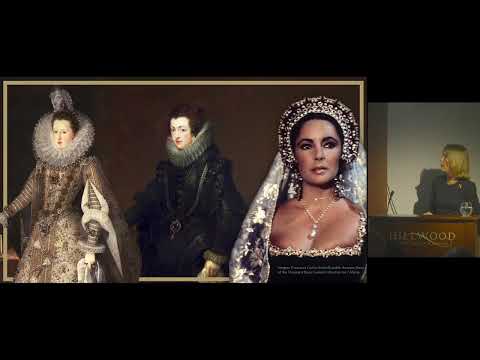
Episode 10
Francesca Cartier Brickell discusses The Cartiers and the remarkable story of the family behind the iconic jewelry empire.
观看网络研讨会 →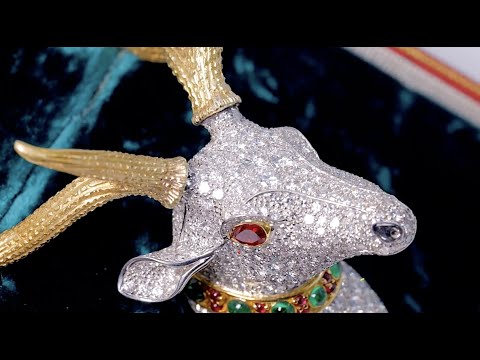
Francesca traces the story of the jewel her grandfather Jean-Jacques Cartier described as his greatest achievement: a full three-dimensional stag's head brooch, entirely covered in gems, made in 1966 for Princess Lilian de Réthy as a 25th anniversary gift.
观看网络研讨会 →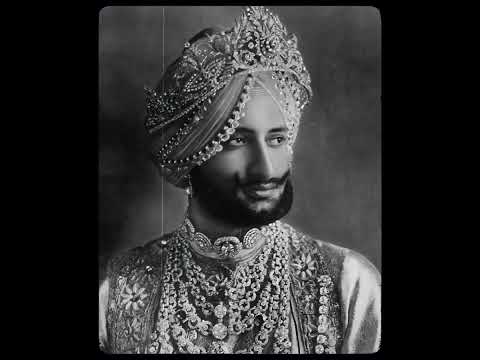
An interview tracing two connected stories: the Indian origins of Cartier's Tutti Frutti jewels — the carved rubies, emeralds, and sapphires that became synonymous with the firm's style — and how Pierre Cartier navigated the Great Depression with unconventional marketing that kept New York's doors open.
观看网络研讨会 →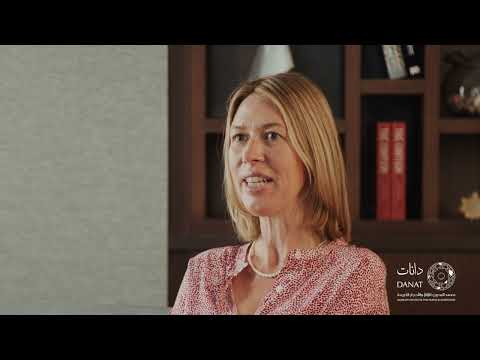
Jacques Cartier made multiple trips to Bahrain to buy natural pearls directly from the trading families there. This film explores his legacy in the region and the extraordinary role Bahraini pearls played in Cartier's most celebrated jewels.
观看网络研讨会 →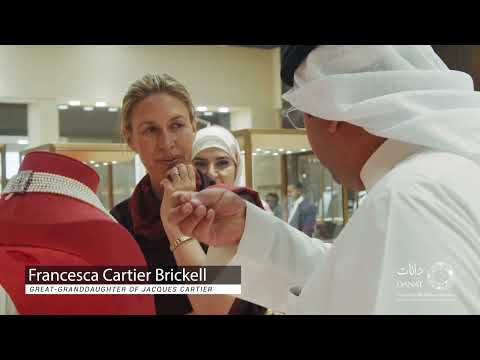
Jacques Cartier's pearl-buying expeditions to the Middle East, and the trading networks he built there, were central to Cartier's ability to produce the great pearl jewels of the early twentieth century. This short film traces those journeys.
观看网络研讨会 →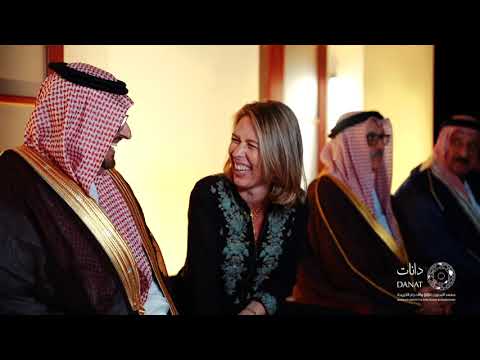
A film recreating the pearl-trading encounters between Jacques Cartier and the Bahraini merchant families he visited in the early twentieth century. Shot in Bahrain with the descendants of those families.
观看网络研讨会 →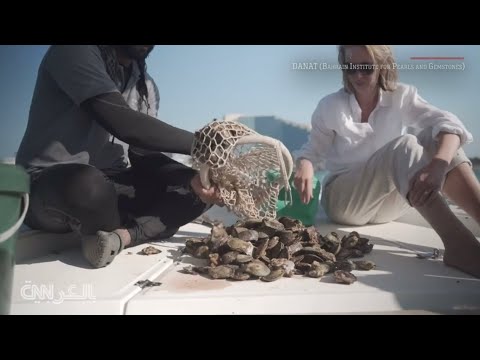
Francesca Cartier Brickell visits Bahrain — where Jacques Cartier came to buy natural pearls — and attends Jewelry Arabia, connecting the family's historical pearl-trading journeys with the region today.
观看网络研讨会 →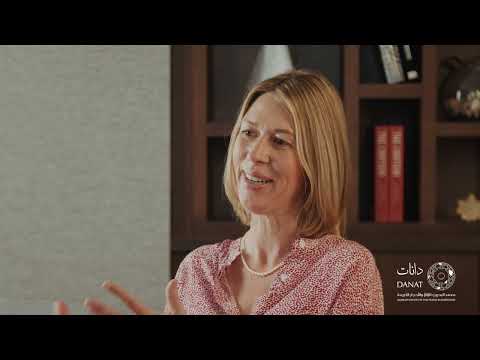
In 1917, Pierre Cartier traded a double-strand natural pearl necklace, valued at around one million dollars, for the Morton Plant mansion at 653 Fifth Avenue. Maisie Plant wanted the necklace; Cartier wanted the building. The exchange became one of the most famous transactions in jewellery history.
观看网络研讨会 →
Francesca Cartier Brickell reunites Cartier London's legendary craftsmen with a cherished stag brooch masterpiece.
观看视频 →
How three brothers built Cartier into a global luxury empire through design, business acumen, and strategic partnerships.
观看视频 →
Francesca Cartier Brickell retraces her great-grandfather's 1912 journey to the Gulf pearl trade.
观看视频 →
Cartier Brickell recreates a 1910 photograph with descendants of Bahraini pearl merchants.
观看视频 →
Jacques Cartier's Middle East travels sourced pearls and inspired jewelry designs for generations.
观看视频 →
How Cartier swapped a New York townhouse for Maisie Plant's million-dollar pearl necklace.
观看视频 →
Jacques Cartier sought Bahraini pearls 110 years ago, learning firsthand how rare these gems truly were.
观看视频 →
Francesca Cartier Brickell launches her family history book at Jaipur Literature Festival, revealing untold stories of Cartier's jewellery empire.
观看视频 →
Jacques Cartier's transformative Indian journeys created some of the jewellery empire's most significant pieces.
观看视频 →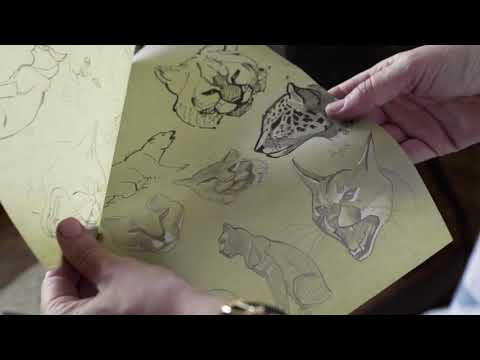
Francesca Cartier Brickell discovers a trunk of lost family letters in her grandfather's cellar.
观看视频 →
The Cartiers' philosophy: never copy, only create, drawing inspiration from diverse global sources.
观看视频 →


开始输入以搜索全部内容
试试搜索「珍珠」、「英国王室」或「神秘钟」


