Bahrain was the centre of the Gulf pearl trade when Jacques Cartier arrived there for the first time in 1912. The island's pearl beds, lying in the shallow waters between Bahrain and the Arabian mainland, had been harvested for centuries using techniques that remained largely unchanged into the early twentieth century.
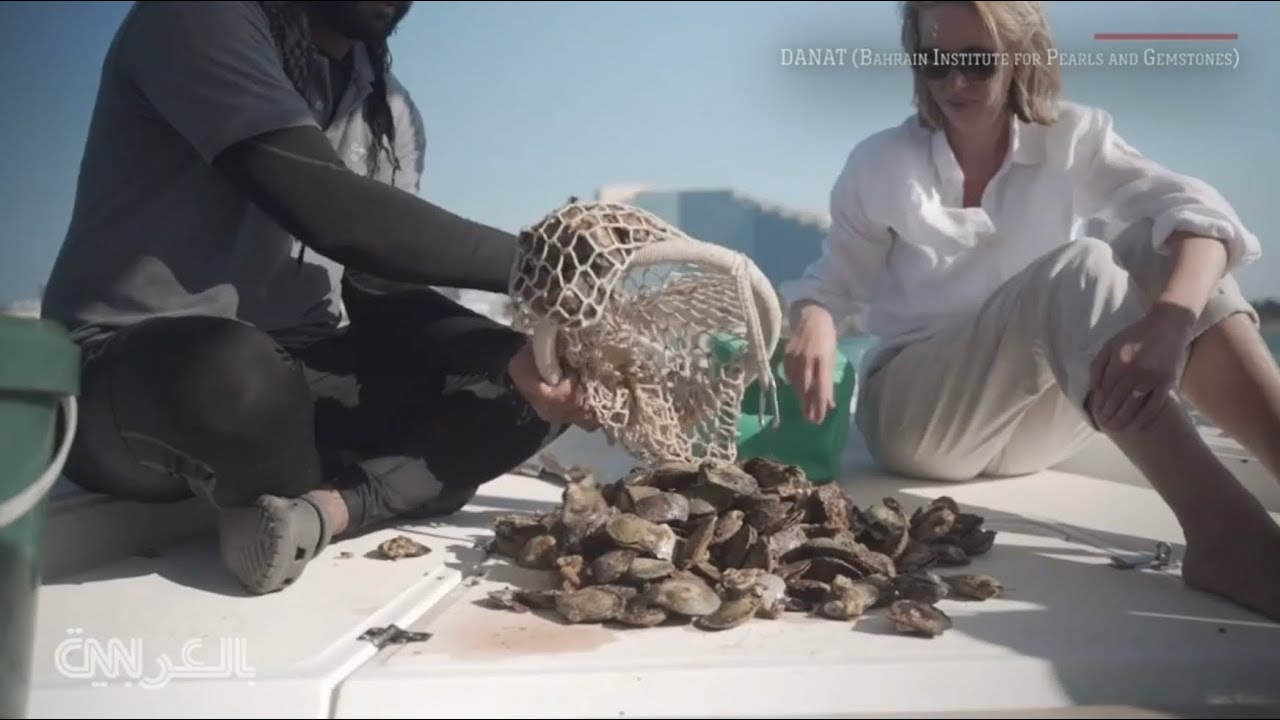
Pearl diving in the Gulf was seasonal work, running from approximately May to September when the waters were warm enough for prolonged immersion. Divers worked from dhows (traditional sailing vessels), descending to the seabed with a nose clip and a stone weight to speed their descent. They collected oysters in a basket before being hauled back to the surface, repeating the process many times over the course of a day. The work was physically demanding and carried real risk. The entire economy of certain coastal communities was organised around the diving season, with merchants, boat captains, and divers bound together in arrangements that structured social and commercial life.
When Jacques Cartier visited, this was the world he entered: a trade built on personal trust, seasonal rhythm, and centuries of accumulated knowledge about where the best pearls could be found. The natural pearls harvested from these beds were among the finest in the world, prized for their lustre, roundness, and orient. They supplied the Paris and London markets through networks of intermediaries, and it was these networks that Jacques sought to understand and, where possible, to bypass in favour of more direct purchasing relationships.
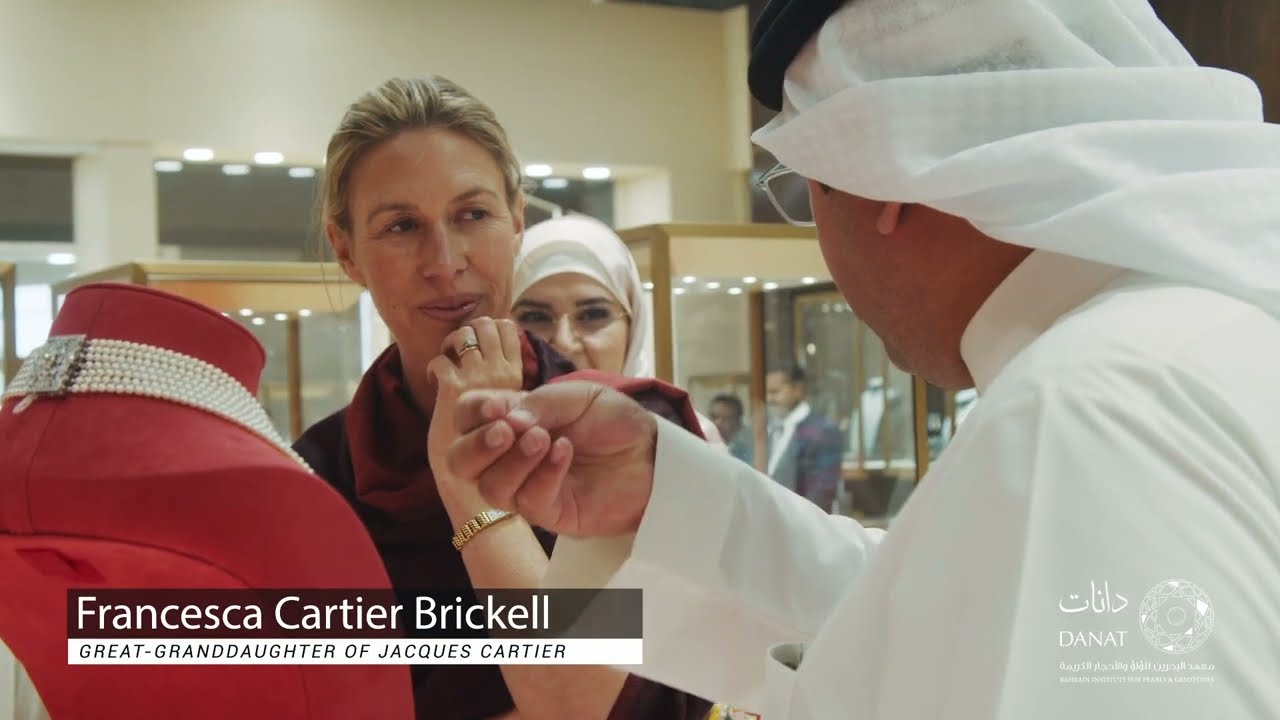
The research behind The Cartiers included diving for pearls in Bahrain and meeting descendants of the pearl merchants and sheikhs who had dealt with Jacques Cartier a century earlier. That thread of personal connection runs through Bahrain: Exploring the Land of Pearls and Arabian Adventures.
Today, the pearl diving heritage of Bahrain is formally recognised. "Pearling, Testimony of an Island Economy" was inscribed as a UNESCO World Heritage site in 2012, encompassing the oyster beds, the seashore, the old merchants' houses, and the fort where the trade was regulated. DANAT (the Bahrain Institute for Pearls and Gemstones) maintains the scientific and cultural heritage of Gulf pearling, hosting events that bring together historians, gemologists, and descendants of the merchant families who shaped the trade.
Sources
- Francesca Cartier Brickell, The Cartiers (Ballantine Books, 2019), ch. 4 ("Eastern Missions")
- UNESCO World Heritage Centre, "Pearling, Testimony of an Island Economy" (inscribed 2012)