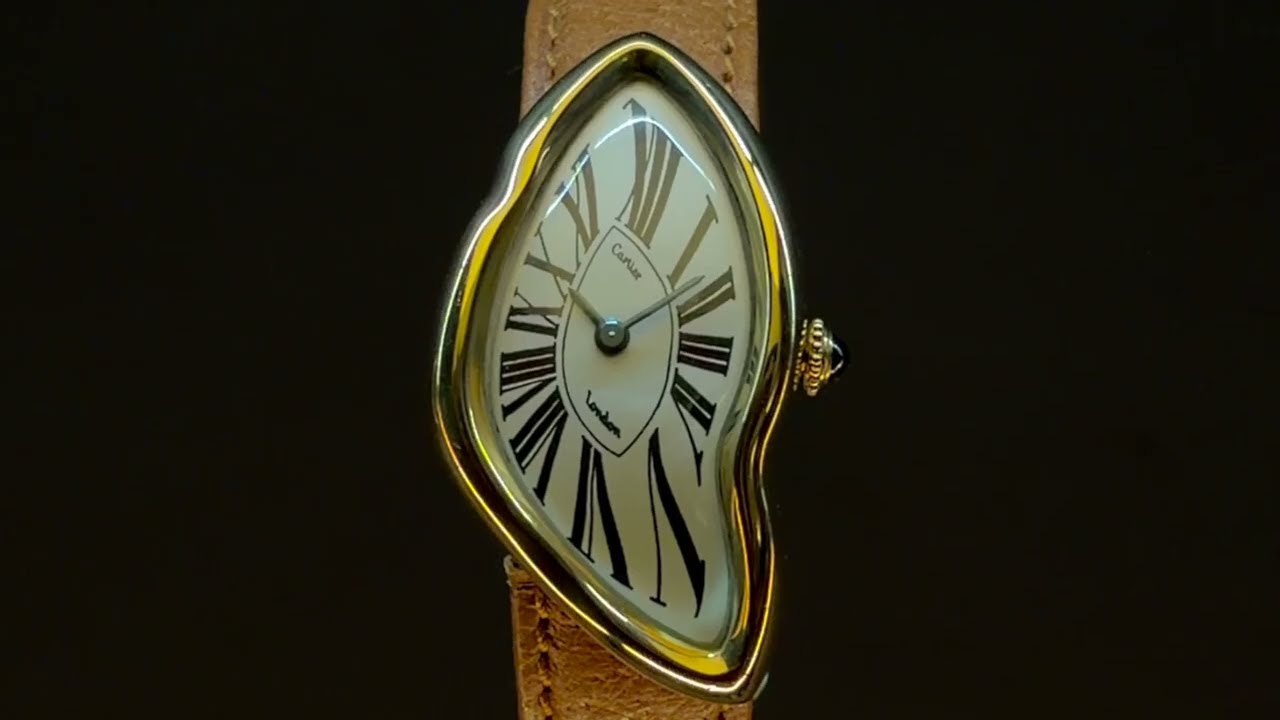
Edmond Jaeger (1858–1922) was a French watchmaker and supplier based in Paris whose partnership with Louis Cartier shaped the watch output of the Paris house in the early decades of the twentieth century. As a member of the firm's atelier network, he produced movements of a thinness and quality that were central to Cartier's early watch designs.
Jaeger's particular expertise was in the production of extremely thin watch movements, a technical challenge that required precision tooling and deep knowledge of escapements and gear trains. Louis Cartier recognised that access to these movements would allow Cartier to produce watches of a distinction that matched the firm's standing in jewellery. The two entered into a supply arrangement that gave Cartier exclusive rights to certain Jaeger calibres, and the collaboration supplied the movements for watches including the Santos and the Tank.
Jaeger's name is preserved in Jaeger-LeCoultre, the Swiss manufacture that resulted from the merger between his operation and that of Antoine LeCoultre's firm in the Vallée de Joux. LeCoultre had long been supplying ébauches to Jaeger; the formal alliance consolidated a relationship that already existed in practice. The merger was concluded in 1937, fifteen years after Jaeger's death, by his successors and Jacques-David LeCoultre. The merged entity became a leading Swiss watch manufacturer and has continued to supply movements to Cartier through the twentieth century.
Sources
- Francesca Cartier Brickell, The Cartiers (Ballantine Books, 2019), ch. 2 (“Louis, 1898–1919”) and ch. 5 (“Stones Paris: Early 1920s”)
- Hans Nadelhoffer, Cartier: Jewelers Extraordinary (Thames and Hudson, 1984; revised 2007), pp. 170, 292 et al.