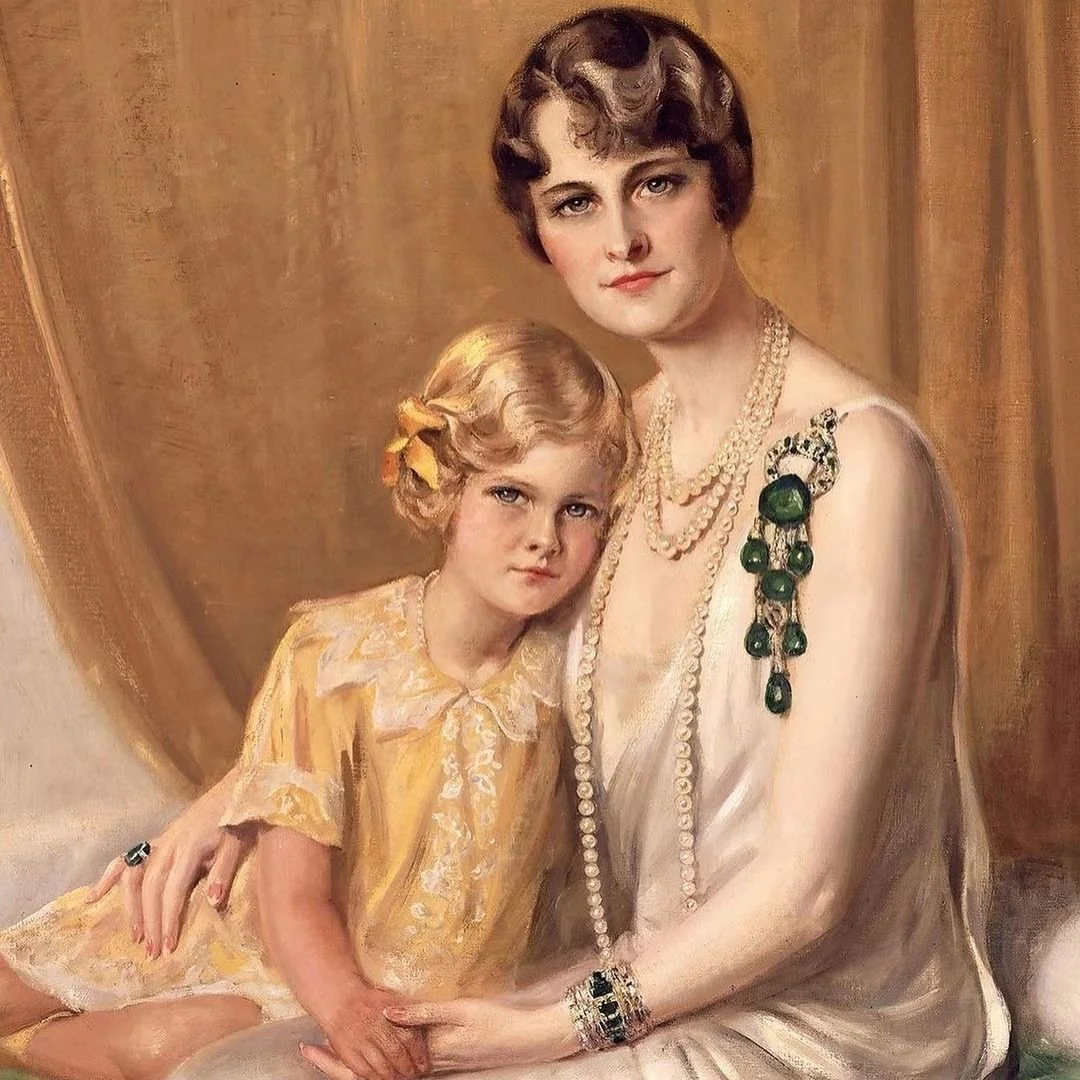
Repost @bazaarindia — CARTIER AND THE MAHARAJA: In a Bazaar exclusive, Francesca Cartier Brickell, a descendant of the iconic jewellery family, retraces Jacques Cartier's tryst with India that led the brand to fame.
"The first time my great-grandfather, Jacques Cartier, visited India was for the Delhi Durbar in 1911. For him, the Durbar represented a unique opportunity to meet many important, potential clients in one place. It was a successful strategy: after the Durbar, Jacques was invited to visit many palaces around the country... Some of the jewels Cartier made for the Maharajas in the 1920s, at the heart of Art Deco, rank among the most exquisite of all time. From the Maharaja of Patiala's Diamond Necklace to the Maharaja of Kapurthala's emerald turban ornament (with a 117.4-carat carved, hexagonal emerald at its centre), to the Maharaja of Nawanagar's necklace (containing the most superb cascade of coloured diamonds perhaps ever assembled), they were extraordinary. Sadly, not all survive in their original form today..."
Image Gallery


!