
Odc. 3: Cartierowie i Romanowowie

O tym webinarze
When Grand Duchess Vladimir fled Russia, her jewels were still in the palace. Her friend Albert Stopford — suspected of being an English spy — walked back into a city in revolution, dressed as a worker, and made his way to her empty home. He filled two bags with newspapers and hid the Vladimir jewels inside them. Outside, people were being shot in the streets.
Joined by Prince Dimitri — descendant of Catherine the Great and many of the European royal houses, former senior vice president of Sotheby's Jewelry, and author of Once Upon a Diamond — Francesca explores the full arc of Cartier's relationship with Russia and its royal families. The webinar begins in the late 19th century, when the Romanov dynasty was the richest in Europe and Fabergé, not Cartier, was the name on their lips. It traces the Cartier brothers' slow, deliberate campaign to change that: the Christmas bazars in St. Petersburg, the sales agent Paul Cherouse who arrived with a little black book of addresses, and the original letter of invitation to the Dowager Empress written in French, the language of the Russian court. At the centre of the story is Grand Duchess Vladimir — the best Cartier client in Russia, the woman who outshone the Tsarina at court — and the Vladimir tiara, a masterpiece of intertwining circles that ended up, decades later, in the British Royal Family. Prince Dimitri, whose own grandmother appears in family photographs in the presentation, tells the extraordinary story of how the jewels escaped the revolution: Grand Duchess Vladimir fled by boat across the Black Sea while Albert Stopford slipped back into her empty palace dressed as a worker, filled two bags with newspapers to conceal the jewels, and walked out through the chaos of a city in revolution. The webinar closes with what happened next: Jack Cartier travelling to Copenhagen to buy jewels from exiled Romanovs who needed to raise funds, some pieces reappearing at Christie's in 1927, and others discovered ninety years later in two pillowcases that had been sitting, unclaimed, in an attic of the Swedish embassy.
Główne rozdziały
W sprawie webinarów i zapytań o wykłady prosimy o kontakt z autorką.
Więcej webinarów
Odc 10: Cartierowie i ich perły
2024
Odc 9: Cartier i maharadżowie – Część II
2021

Odc 8: Cartierowie i maharadże - Część I
2021
Odc 7: Cartier i Brytyjska Korona - Część II
2021
Odc 6: Cartierowie i Korona Brytyjska - Część I
2021

Odc 5: Cartier i ich zegary
2021
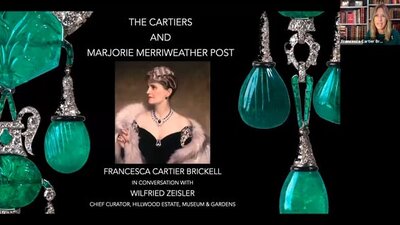
Odc 4: Cartierowie i Marjorie Merriweather Post
2020

Odc 2: Cartierowie i Maharajas
2020
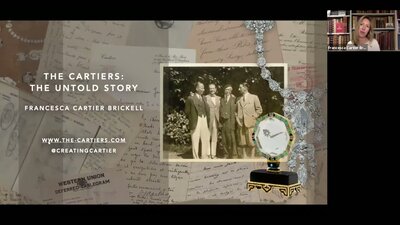
Odc 1: Cartierowie: Nieznana Historia
2020
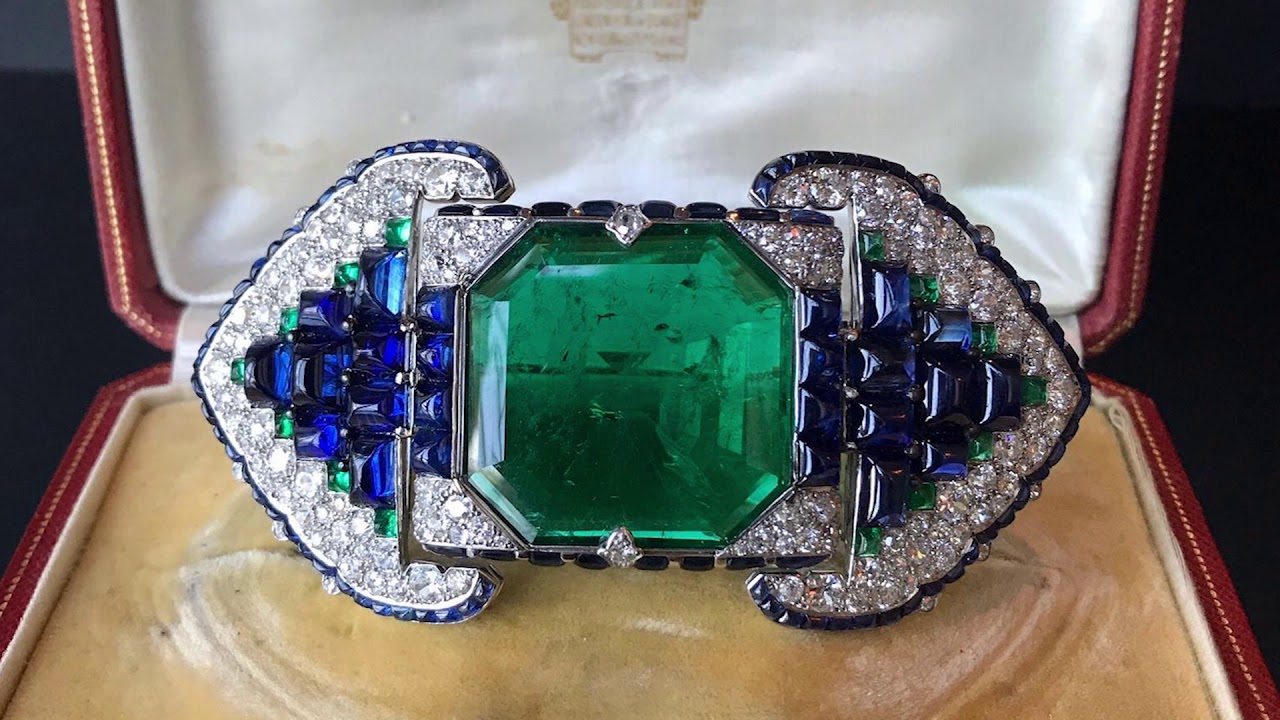
Cartierowie: Udekorowane Indie
2020
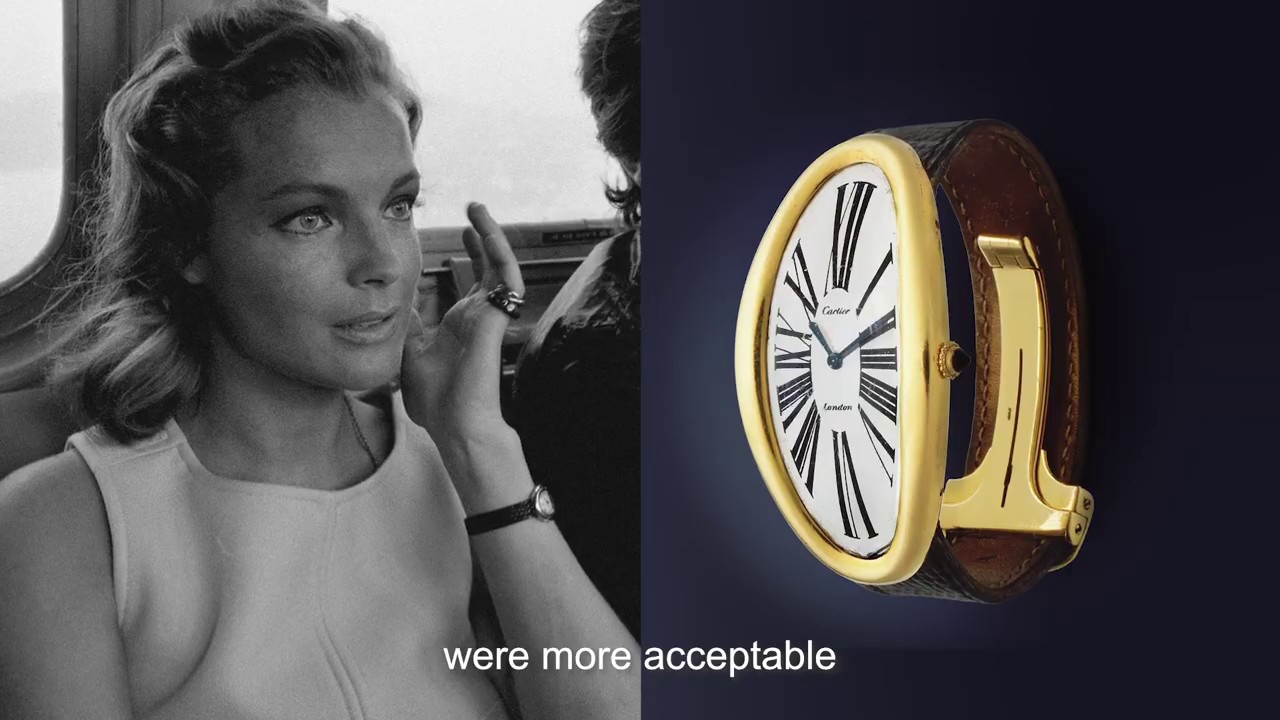
Cartier: Zegarki
2020
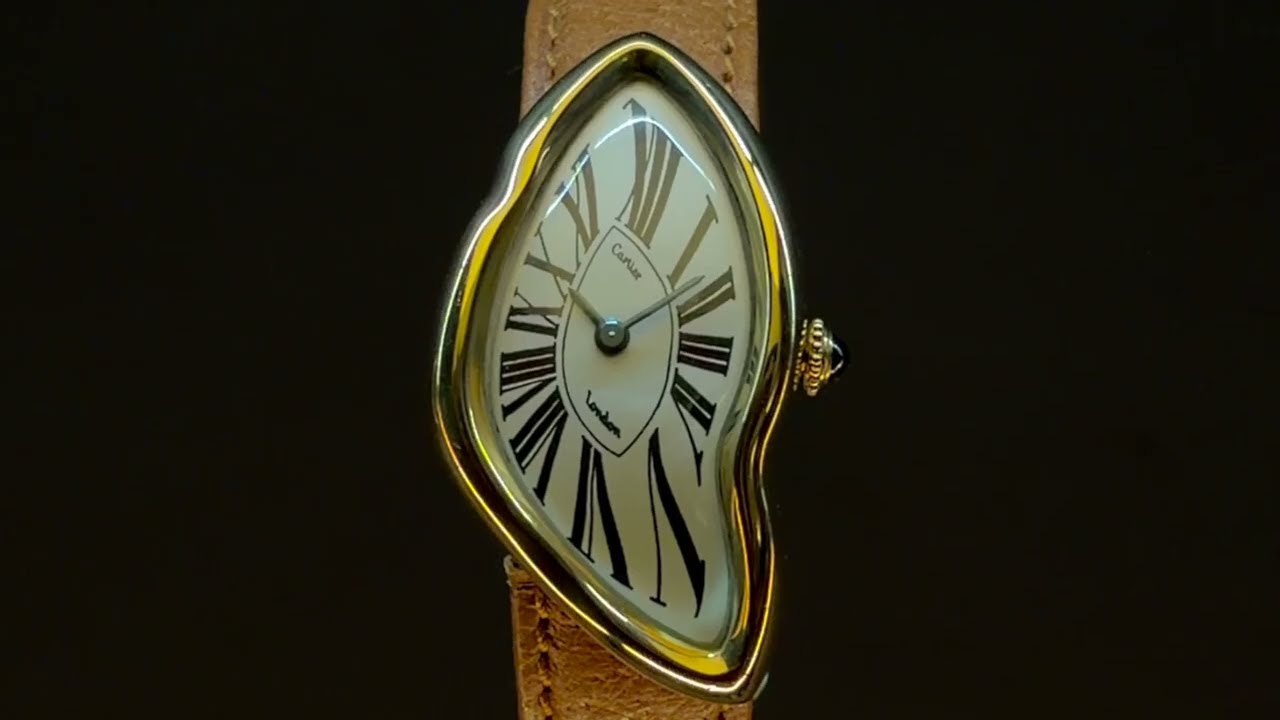
Cartier i ich zegarki
2025
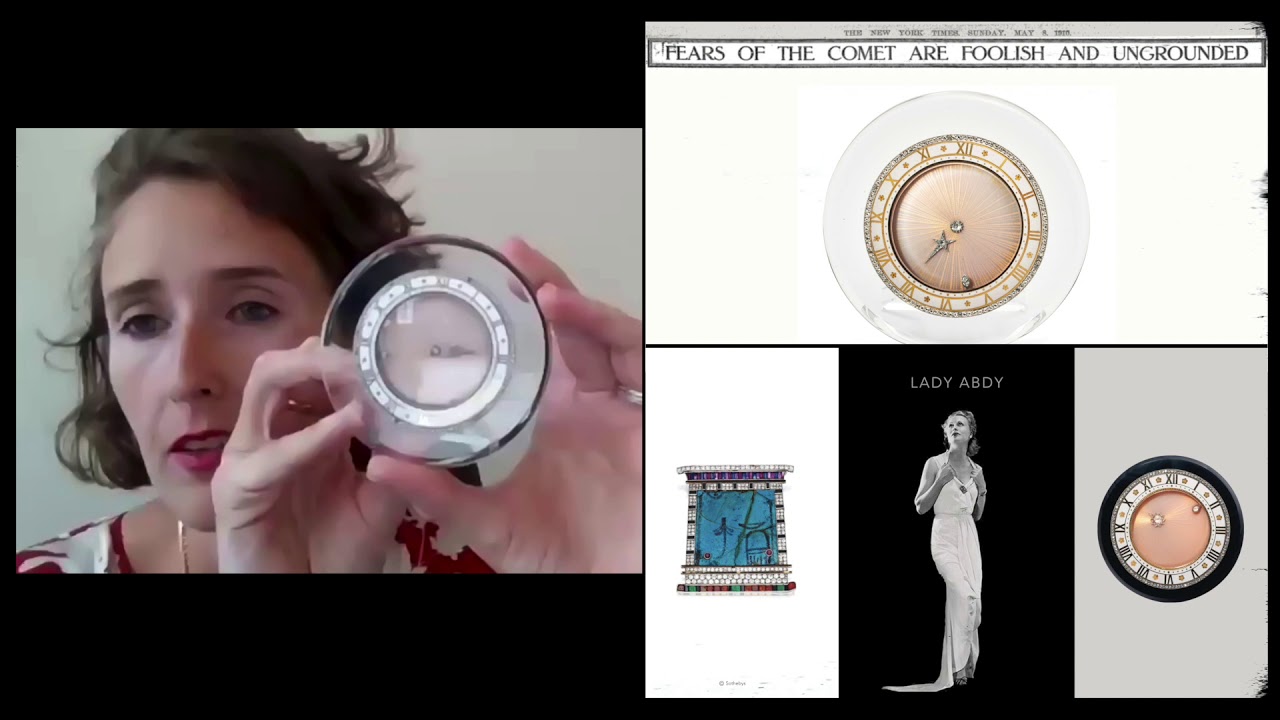
Cartier i ich zegary
2020
Inspiracja i Cartierowie: nigdy nie kopiuj, tylko twórz
2020
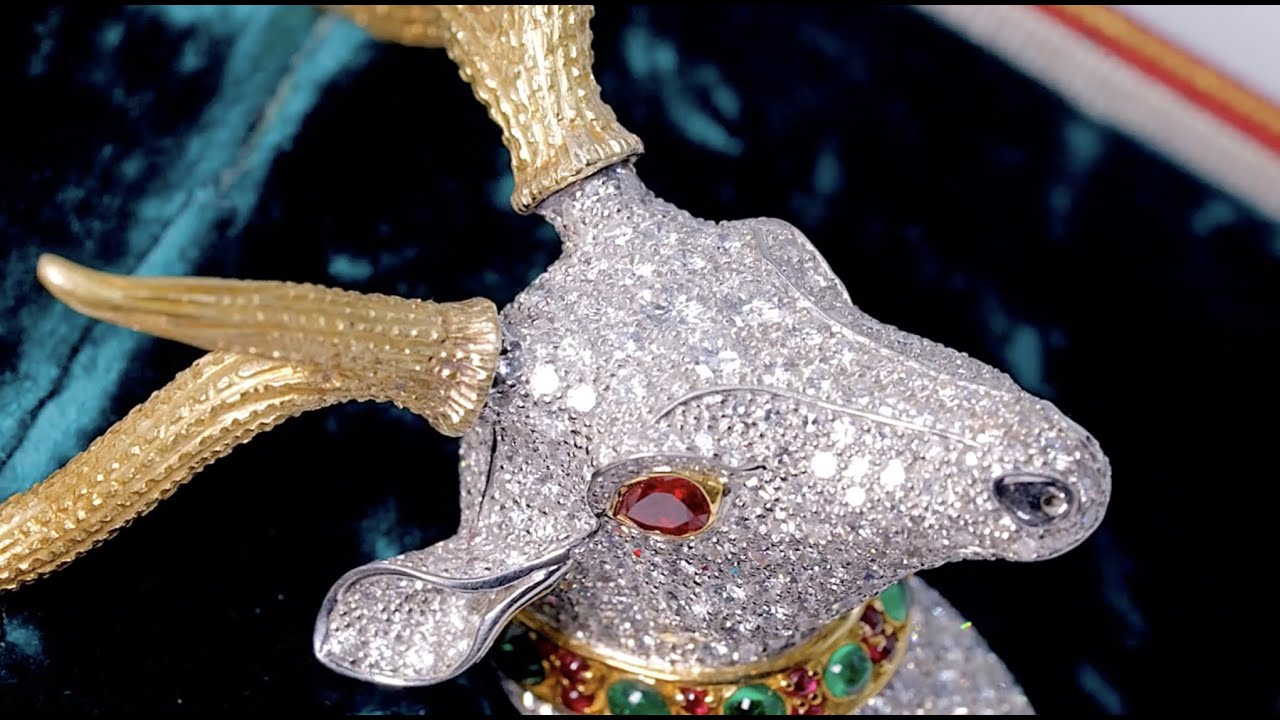
Niemożliwa Biżuteria: Reuniting Cartier London's Masterpiece with its Makers
2022
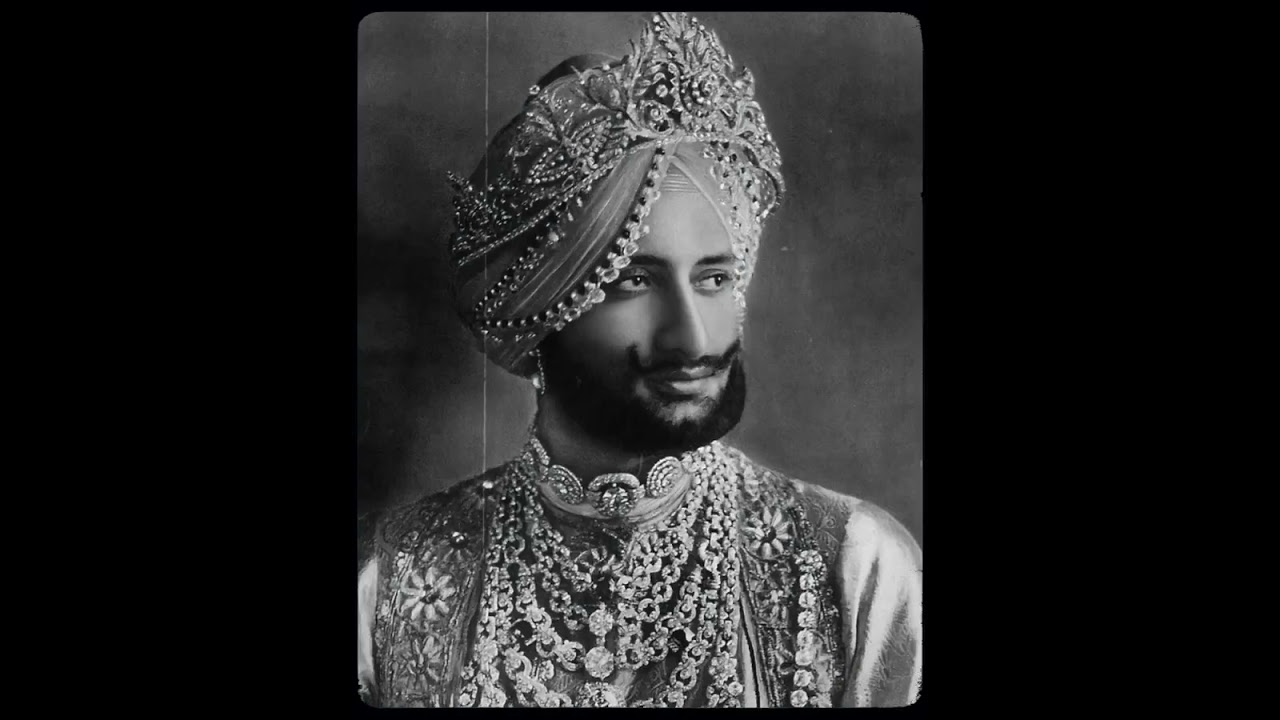
Opowieści Cartier: Origins Tutti Frutti i nikonwencjonalny marketing Pierre'a w czasach Wielkiego Kryzysu
2021
Jacques Cartier: 100-letnie dziedzictwo bahrajńskich pereł
2022
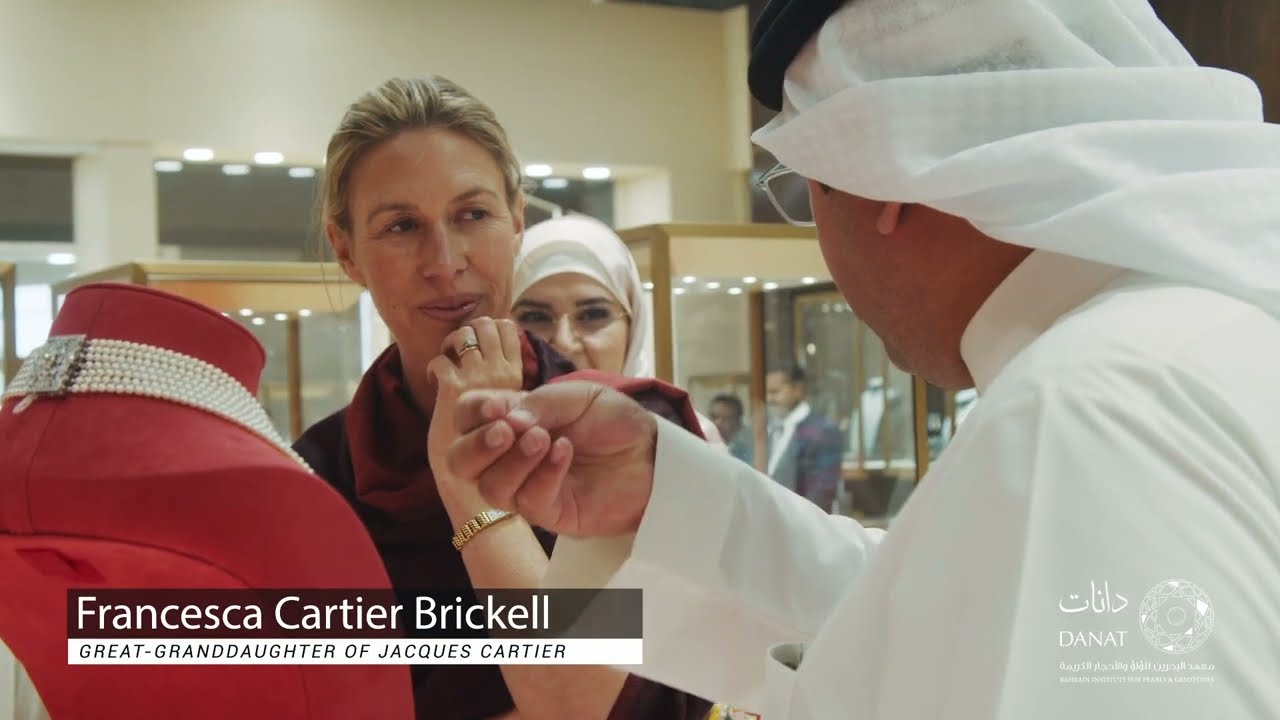
Podróże Jacques'a Cartiera na Bliski Wschód w poszukiwaniu pereł
2022

Przywracając historię: Jacques Cartier i rodziny bahrańskich handlarzy pereł
2022
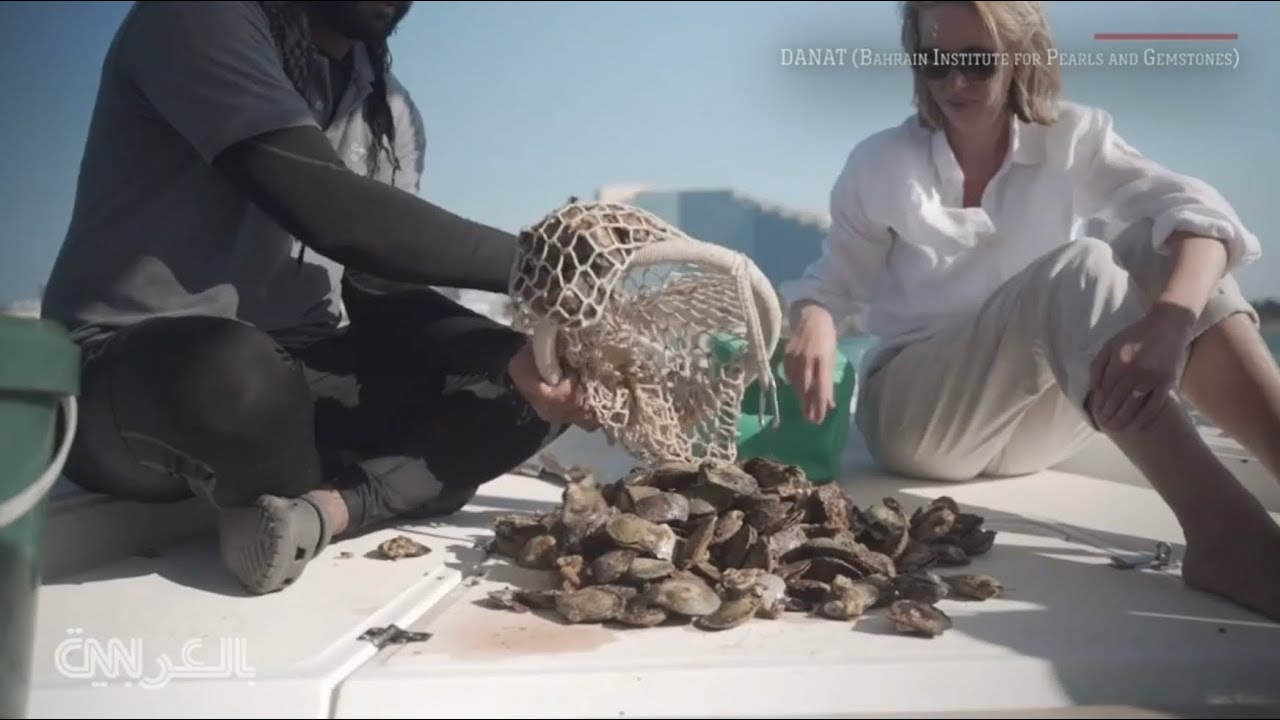
Francesca Cartier Brickell odwiedza Bahrain i Jewelry Arabia
2022
Jak sklep Cartier w Nowym Jorku zamieniono na naszyjnik z pereł Maisie Plant
2020
Cartierowie w Muzeum Viktoriи i Alberta
2022