
The Impossible Jewel
When I asked my grandfather, Jean-Jacques Cartier, what piece he was most proud of creating, his answer caught me by surprise.
Read more →
Topic
Paris, London and New York. The three branches of Cartier, their addresses, and the craftsmen who supplied them.
22 reference terms · 19 posts


When I asked my grandfather, Jean-Jacques Cartier, what piece he was most proud of creating, his answer caught me by surprise.
Read more →Such fun to speak at the V&A again — this time all about Cartier London and those magical untold stories from my grandfather Jean-Jacques Cartier and the brilliant craftsmen who worked there with him.
Read more →Had an unexpectedly fascinating experience recently. Visiting a watchmaker to discuss antique Cartier watches, we ended up taking apart a few of them.
Read more →Deep in the research for the next book. Always a high point when pieces of the past come together again
Read more →Some vintage Cartier birds to wish you a very Happy Easter. Any favourites?
Read more →It was a special experience to speak at Cartier London recently — in the very space where the English Art Works workshop once stood. This slide shows the workshop that Jacques Cartier created in the 1920s on the 3rd floor of 175 New Bond Street, now La Résidence.
Read more →To kick off December, a glimpse behind the scenes of Christmas in Cartier London 106 years ago.
Read more →Amazing to see interest in the Crash Watch continuing to snowball — not sure my grandfather would have believed it.
Read more →Back to 1960s London with this one... The Kinks in the charts (‘Dedicated follower of Fashion’), the British fashion scene leading the way, and the Lo...
Read more →It’s rare that a large amount of Cartier vintage watches make an appearance at the same time but that’s what happened this weekend when 88 #cartierwat...
Read more →Unexpectedly stumbled across some old jewellery photos as I was rooting around for a dull car registration document this weekend… this b&w one of a go...
Read more →Another week, another record for vintage Cartier London. This time the spotlight was on the Cartier Pebble (sometimes known as the 'baseball'), which was...
Read more →Such sad news about Prince Philip. It's been moving to read so many tributes this weekend and see wonderful images of his 99 years.
Read more →A little Cartier gold #birdbrooch with ruby eye for you all this Easter, perching on top of some...
Read more →There’s been a lot of excitement about vintage Cartier watches lately.
Read more →The Cartier Halo tiara: made by Cartier London in 1936, worn by Princess Elizabeth on her wedding day, and by Kate Middleton in 2011.
Read more →So enjoyed diving into the life of Jacques Theodule Cartier for an interview with Juncker Capucine's "Property of a Lady".
Read more →An iris to celebrate 1st May. This brooch was made by Cartier London c. 1940: a flower in war time.
Read more →This is my grandfather, Jean-Jacques Cartier. I know I'm biased but he really was one of the most generous, kind men you'd ever meet — a true gentleman.
Read more →
Jean-Jacques Cartier's defining creative principle, as told by his granddaughter Francesca. 'Never Copy, Only Create' shaped every commission the London branch took on, from the Crash to the Pebble.
Watch webinar →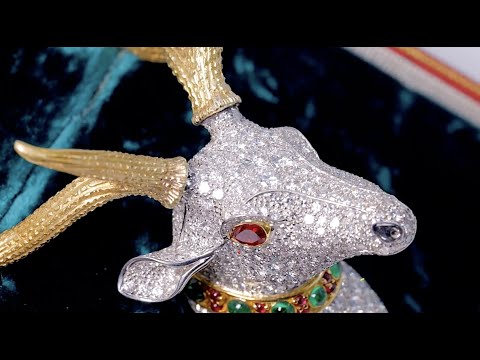
Francesca traces the story of the jewel her grandfather Jean-Jacques Cartier described as his greatest achievement: a full three-dimensional stag's head brooch, entirely covered in gems, made in 1966 for Princess Lilian de Réthy as a 25th anniversary gift.
Watch webinar →
Francesca Cartier Brickell reunites Cartier London's legendary craftsmen with a cherished stag brooch masterpiece.
Watch video →
How three brothers built Cartier into a global luxury empire through design, business acumen, and strategic partnerships.
Watch video →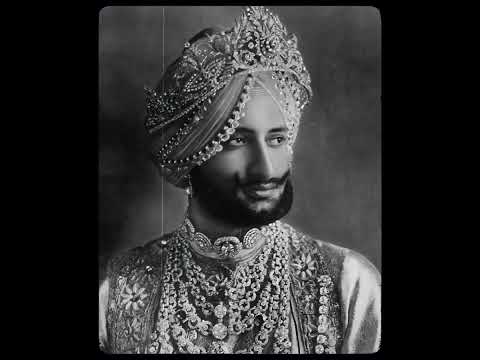
Francesca Cartier Brickell reveals how her great-great-grandfather brothers built the Cartier jewellery empire.
Watch video →
How Cartier swapped a New York townhouse for Maisie Plant's million-dollar pearl necklace.
Watch video →


Start typing to search across all content
Try searching for pearls, British Crown, or mystery clocks


